

With Lemon now part of the family, Lisa has been trying to get her husband to stop smoking. Last week, Lisa asked if vaping would be a good alternative to help him quit smoking. Do you know what vaping is?
What is vaping?
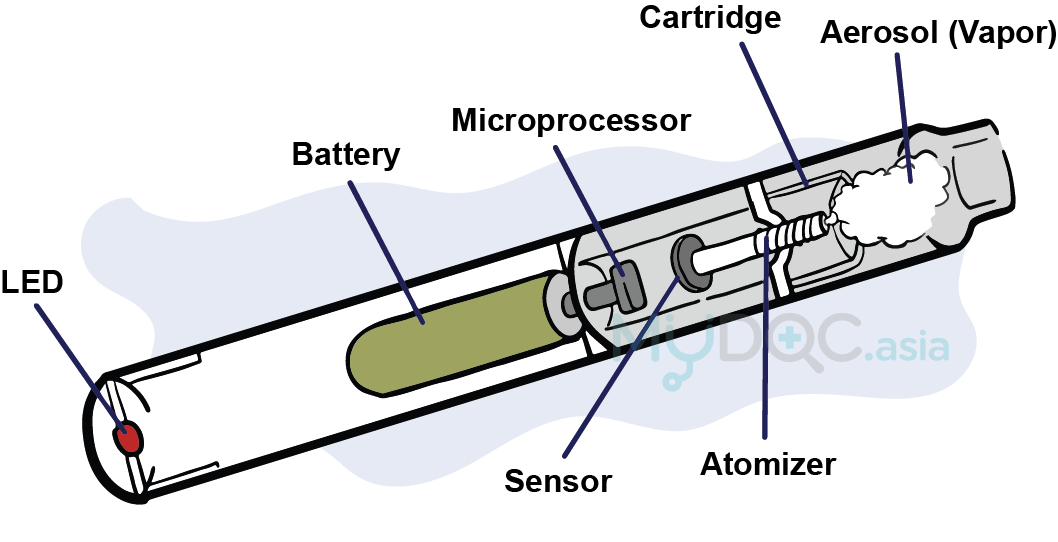
Vaping, also known as the use of e-cigarettes, usually come in the shapes of authentic cigarettes, pens, or bottles. They have containers containing liquid nicotine, flavourings, and chemicals. A heating device turns the chemicals into vapour prior to being smoked by the user.
Is vaping addictive?

Even though e-cigarettes only contain a small percentage of the contents in that of usual cigarettes, the main ingredient of nicotine is still present. This makes vaping a potentially addictive activity. Due to the heavy advertising and marketing to youths and young people that vaping is very much healthier than smoke, the tendency to hook on to vaping is even higher.
Why vape?

There are several points supporting vaping that has the public of today take into this emerging trend. Vaping has been found by various sources to be less dangerous than cigarettes. As e-cigarettes don’t burn, they have less chemicals that become smoke (burning chemicals into smoke produces toxins like carcinogen). The second-hand effect of vaping is also comparatively lesser than that of smoking. Some also prefer the more flavourful choices in e-cigarettes that make vaping more satisfying. In many cases, vaping is considered a better alternative to smoking, and is used as a tool to help in smoking cessation (quitting smoking). However, the American Heart Association has advised the public to use e-cigarettes only as a last resort to quit smoking.
Why not?

Several studies have shown that vaping has high risks of leading to smoking, especially among youths. There has also been several cases of e-cigarettes exploding or catching fire due to battery complications or the high pressure in the bottle of liquid chemicals. Speaking of liquid chemicals, nicotine in the liquid form (which is the case in e-cigarettes) can be more poisonous than that which is burnt! Moreover, the nicotine content in e-cigarettes is also more concentrated due to it being liquid-based.
One of the biggest drawing points for vaping is the flavourful nature of choices. However, these flavourings are often not regulated by authorities, and usually do not have proper labelling. For example, one flavour of e-cigarette can contain glycerine, which can be found in vegetables, while some others can contain diacetyl content, which is known to cause abnormal lung functions.
Even though vaping has been said to be a method towards smoking cessation, the actual rates of quitting smoking is actually not high. It is also found that people who were not interested in smoking in the first place have the tendency to try smoking after being actively involved in vaping.
Besides, vaping is also known to cause potential health impacts, including harming brain development, memory, and attention. Vaping by pregnant ladies can also cause damage to babies prior to conception.
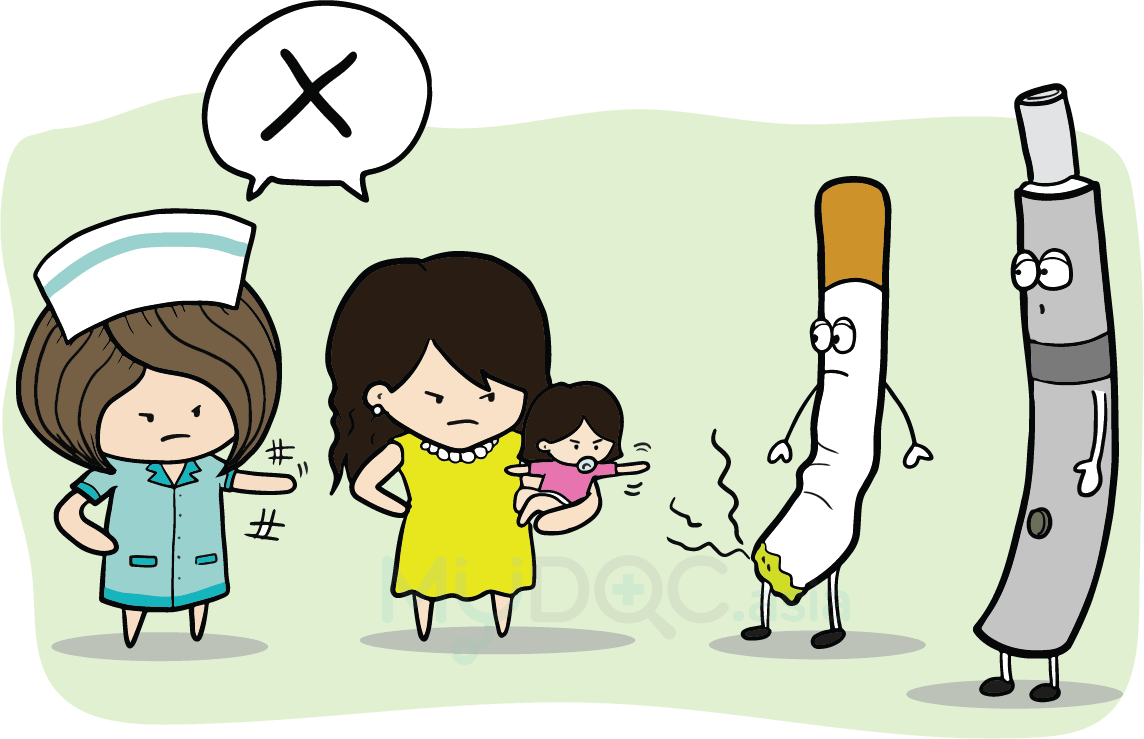
In conclusion, we should treat vaping as a harm-reduction tool to smoking, rather than a harm-removal miracle remedy. It is arguable a better alternative to smoking, but it is still not the safest of habits to adopt.








Example Discussion