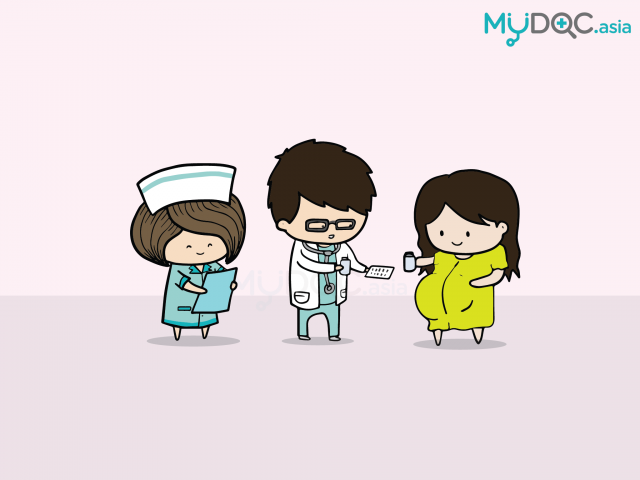

Do you remember Romeo’s sister - Lisa? She’s going to be a new mommy soon! Being excited and anxious at the same time, Lisa has been worrying over several common issues during pregnancy – one of them being medication use.
There are a lot of doubts regarding pregnant women taking any form of medications, be it prescription drugs, over-the-counter (OTC) medications, herbal supplements or even vitamin supplements. As I explained some useful tips to Lisa, we shall share them with you to dispel relevant myths and misconceptions as well!
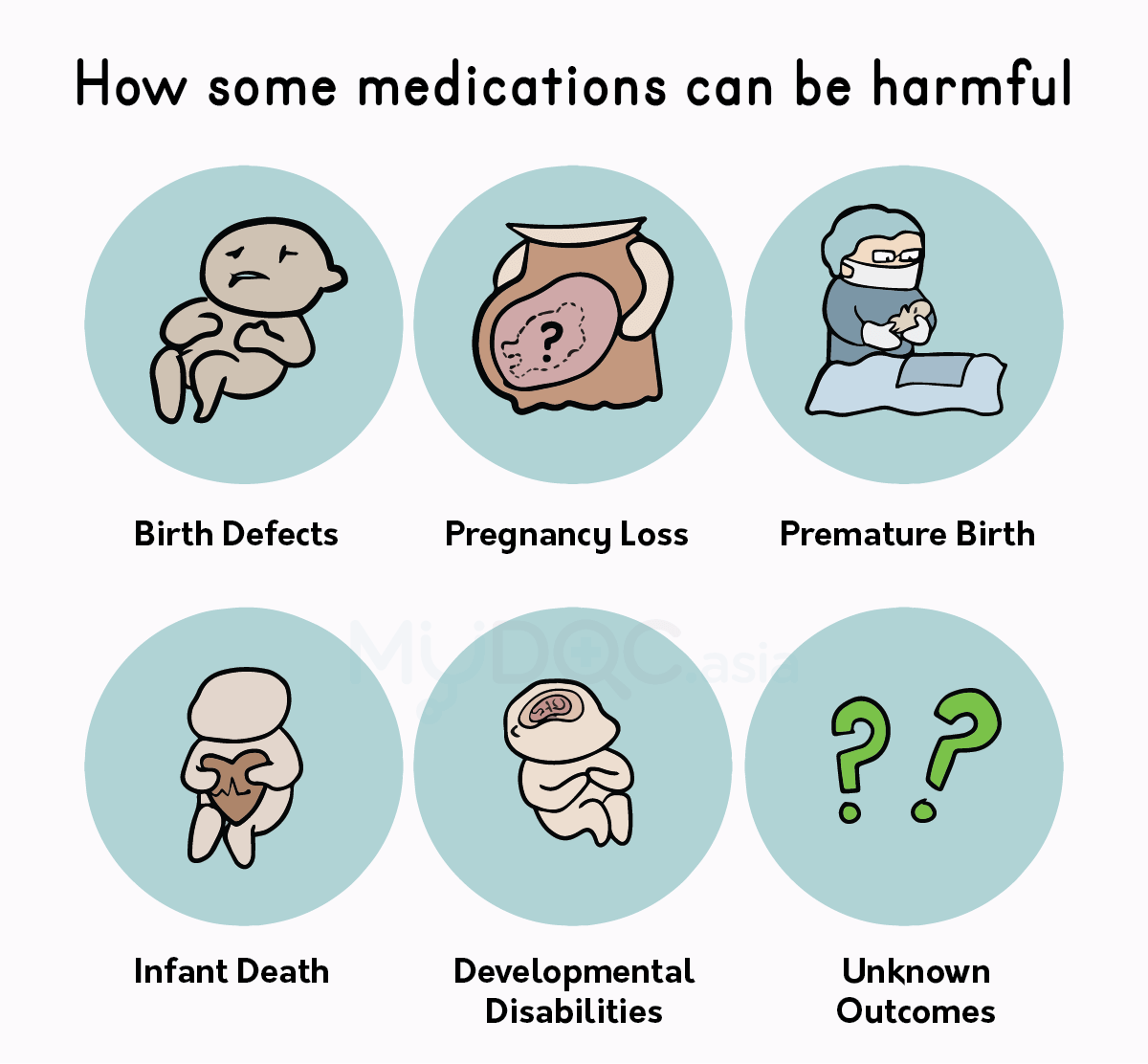
Medications may cross the placenta and reach your baby
Forming a life is an intricate process. Since conception, all the subsequent developmental steps must occur in a precise manner in order to grow a healthy baby. Any disruption, particularly those that happen during the first trimester, may have a detrimental impact on the growing foetus. One such interference is the taking of medications during pregnancy. Many medications can reach the baby by the means of crossing the placenta (the connecting bridge between mother and baby). Unfortunately, certain medications have been linked to birth defects, pregnancy loss, prematurity and infant death.
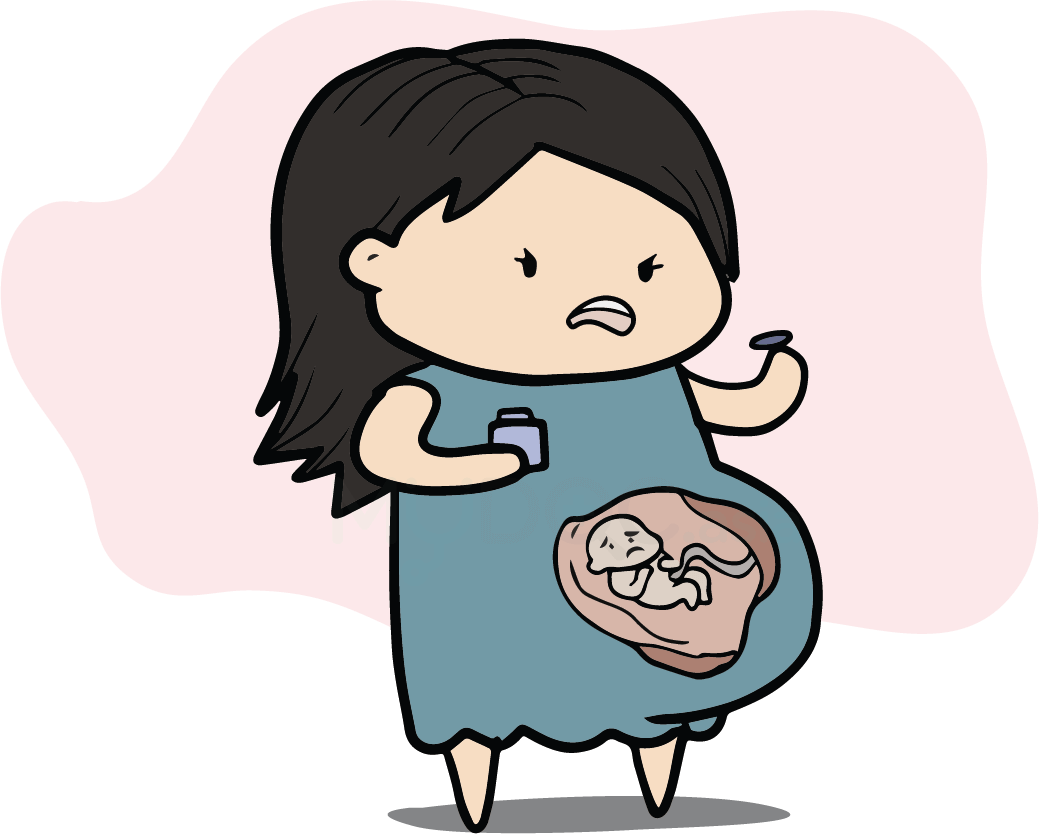
Medication use in Pregnancy is Common, but Safety Information is lacking
If you have been taking medicine during pregnancy and are worried about it, you are not alone! According to Centres for Disease Control and Prevention (CDC), medication use has surged to 9 out of 10 pregnant women. Over the last 30 years, the use of prescription drugs during the first trimester of pregnancy has increased more than 60%. Alarmingly, fewer than 10% of medication have enough information to determine their risks for birth defects. This is because pregnant women are often not involved in clinical trials of drugs before they come on to the market. In other words, any medication can present risks in pregnancy, yet not all risks are known.
This applies to many, if not most, of the natural / herbal supplements on the market as there are virtually no clinical trials of these products conducted on pregnant ladies. The truth is, no medications and supplements are considered 100% safe to use during pregnancy. Juliet would like to emphasize that the safest pregnancy-related pharmacy experience is to have as few pharmacy experiences as possible!
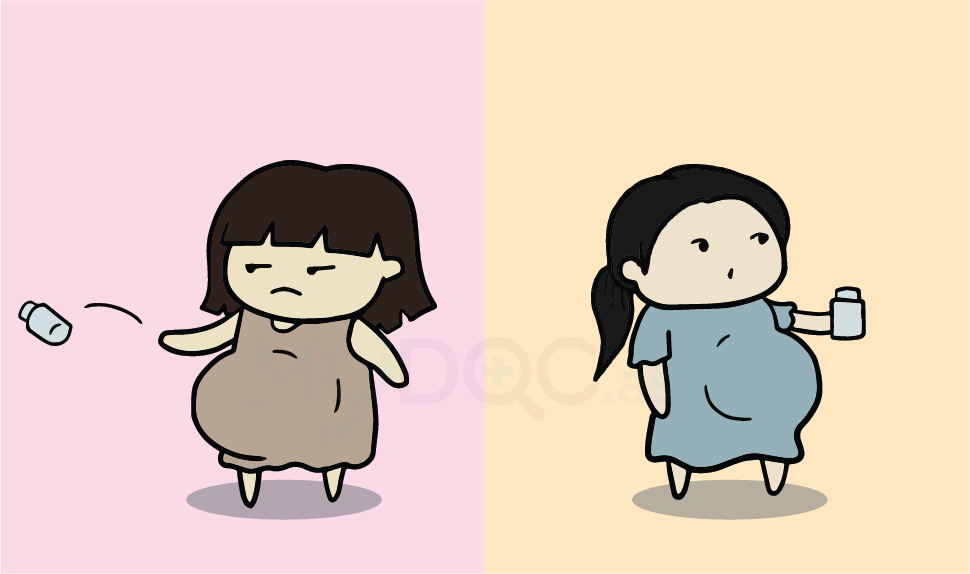
Sometimes it’s a choice. Sometimes, it’s not.
There may be times during pregnancy when using medicine is a choice. For example, feeling nauseated is extremely common early in the pregnancy period. If the condition is mild, you may decide to "live with" or "cope with" the unpleasant sensation instead of using medication. Sometimes, using medicine is not a choice - it is needed. In the same scenario, if the nauseating and vomiting become severe and intractable (a condition known as hyperemesis gravidarum), the mother must be treated immediately as this condition is potentially fatal.
On the other hand, other women may need to use medicine routinely to keep their long term health problems like asthma, diabetes, depression or seizure in check. The decision to take medication is never a straightforward business. Many factors must be taken into consideration on a case-to-case basis. And this leads us to...
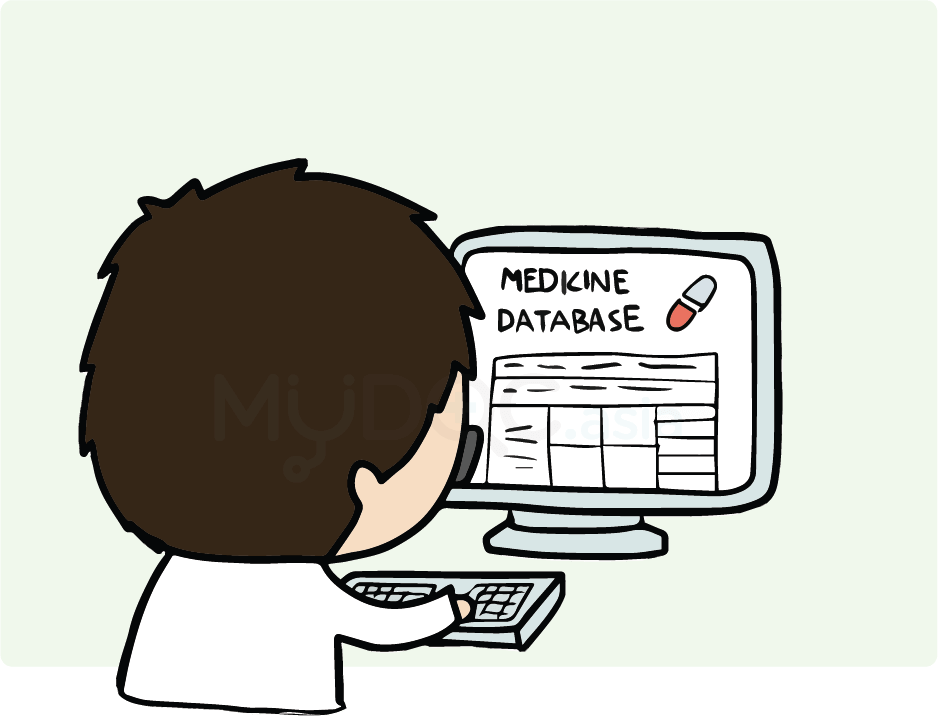
How does your doctor make a decision?
Firstly, your doctor gathers the latest safety information from reliable sources (medicine labels, research journals and reputable online database). According to Monthly Index of Medical Specialities (MIMS) Malaysia, all drugs must have a label stating the risk of reproductive and developmental adverse effects and on risks versus benefits considerations. This letter categorization system is in accordance to those used by the Food and Drug Administration (FDA) in the United States. Hence, by reading the drug labels, you can have some basic understandings about the safety profile of the medications.
- Category A: Controlled studies in women fail to demonstrate risk to foetus in the 1st trimester.
- Category B: Either animal-reproduction studies have not demonstrated a foetal risk but there are no controlled studies in pregnant women or
Animal-reproduction studies have shown an adverse effect that was not confirmed in controlled studies in women in the 1st trimester. - Category C: Either studies in animals have revealed adverse effects on the foetus and there are no controlled studies in women or
Studies in women and animals are not available
Drugs should be given only if the potential benefit justifies the potential risk to the foetus. - Category D: There is positive evidence of human foetal risk, but the benefits from use in pregnant women may be acceptable despite the risk.
- Category X: Studies in animals or human beings have demonstrated foetal abnormalities or
There is evidence of foetal risk based on human experience.
The drug is contraindicated in women who are or may become pregnant.
With all the required safety information, your doctor will have an in-depth discussion with you in order to make a decision. Making this sort of decision involves weighing the risk of untreated illnesses in the mother against the potential risk of medication exposure to the foetus. And this is by no means simple. Together, you and your doctor will make an informed decision.
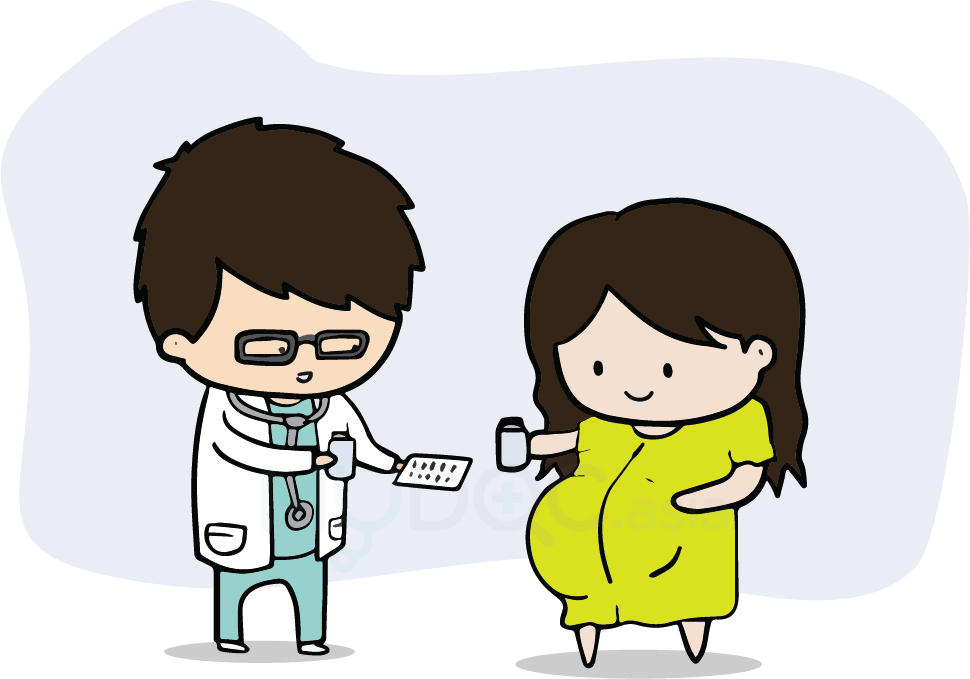
Ask Questions. Trust Mutually.
It is important that you have complete trust in your doctor. You should talk to them about everything you are taking or thinking about taking during pregnancy. If you have any queries, or come across any information on the internet, do not hesitate to reach out for your doctor. Always remember that your doctor has the best in mind for you and your unborn child, and will always try his/her very best to keep a promise - a promise to keep the both of you safe and sound throughout this extraordinary 9-month journey.
I’m sure that all mothers love their children more than anything in the world, more so during this exciting 9-month journey! However, don’t forget to also love yourself and pamper yourself once in a while! Juliet loves you and wishes all the best in your journeys to welcoming these little miracles to the world!
 Juliet’s Reminder: Here are three helpful tips to help you better manage your medication use in pregnancy! Always ask questions. Always talk to your doctor before taking any medicines, herbs or vitamins. Do not stop taking your regular medicines until your doctor says that it is OK. Read the Label. You can check the drug label to learn more information about the medication and its effects on pregnancy. Be Smart Online. Do not simply trust any ‘safe list of medications during pregnancy’ or any natural/herbal supplement that you may come across on the internet. Always consult your doctor or pharmacist first! If you have related experiences to share or have any questions to ask, just leave a message for Juliet at [email protected]!



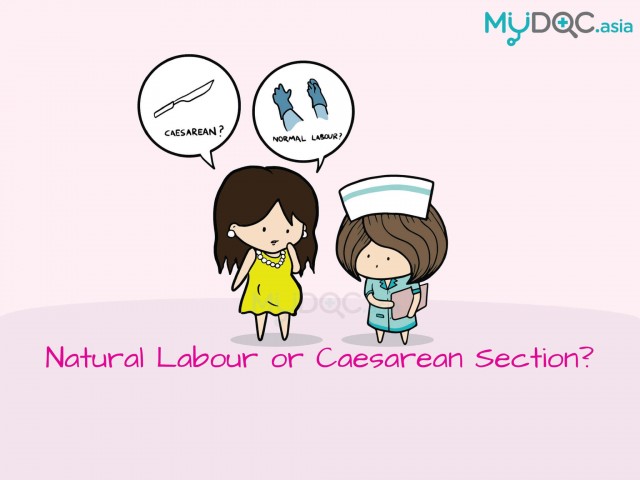




Example Discussion