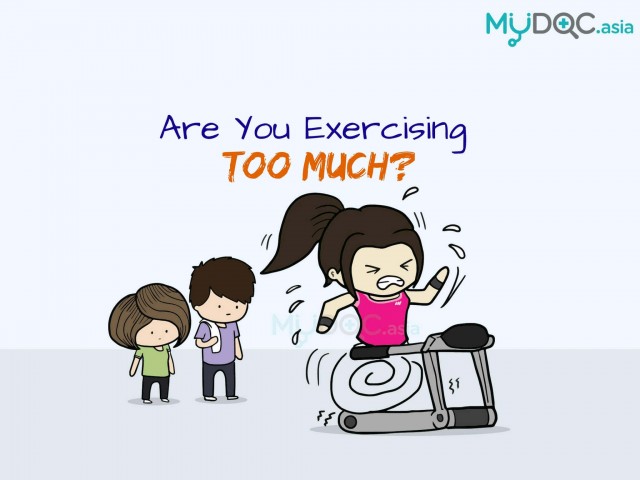
‘Just keep running…just keep running…just…’
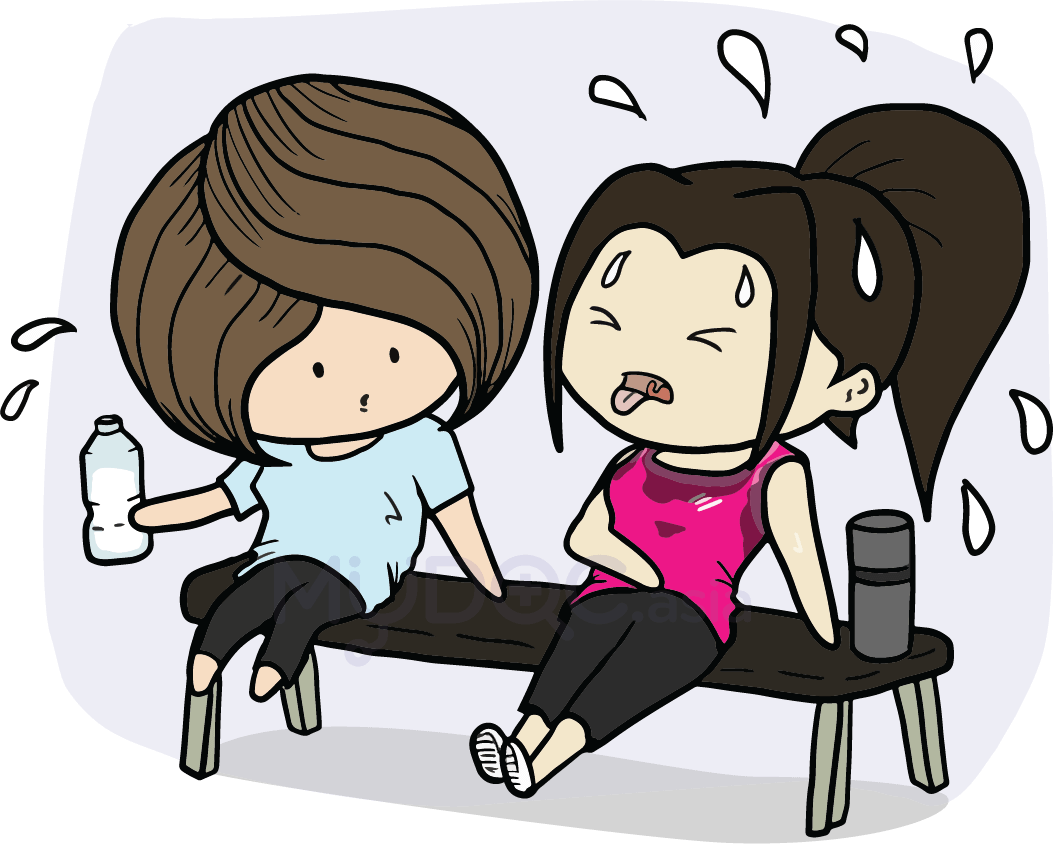
I overheard Shalini whispering softly to herself before she eventually stopped her routine treadmill run. Exhausted, we sat on the bench, Shalini perspiring and panting profusely after finishing her 10km run.
‘Aren’t you pushing yourself a little bit too much?’ I asked Shalini.
Have you heard of the story about Pheidippides? Pheidippides is a central character in a story that inspired what we have today as the marathon race. In this multi-millennial old story, Pheidippides ran 250km in two days to request help from the Spartans as Athens was invaded, before running another 35km after the fight to declare victory. After that, he collapsed and died.
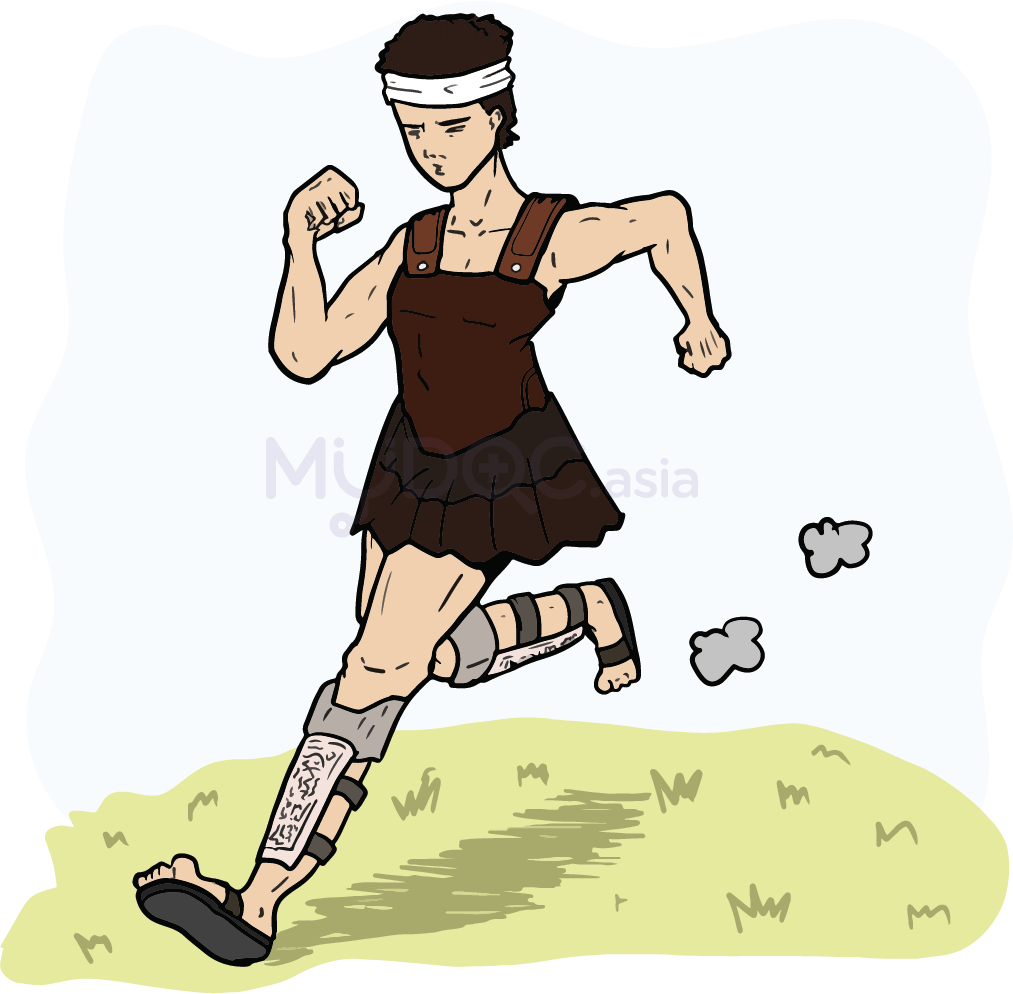
After about 700 years, it was found that Pheidippides’ running had helped him to lower blood pressure, diabetes prevention, and a good lipid profile, before he succumbed to what we know today as a cardiac death.
How much of exercise do we actually need?
Exercise is undoubtedly one of the best, if not the best, ways towards a healthier lifestyle. Exercise has been found to aid in improving the quality of life, cardiovascular health, and longevity – up to 7 years!
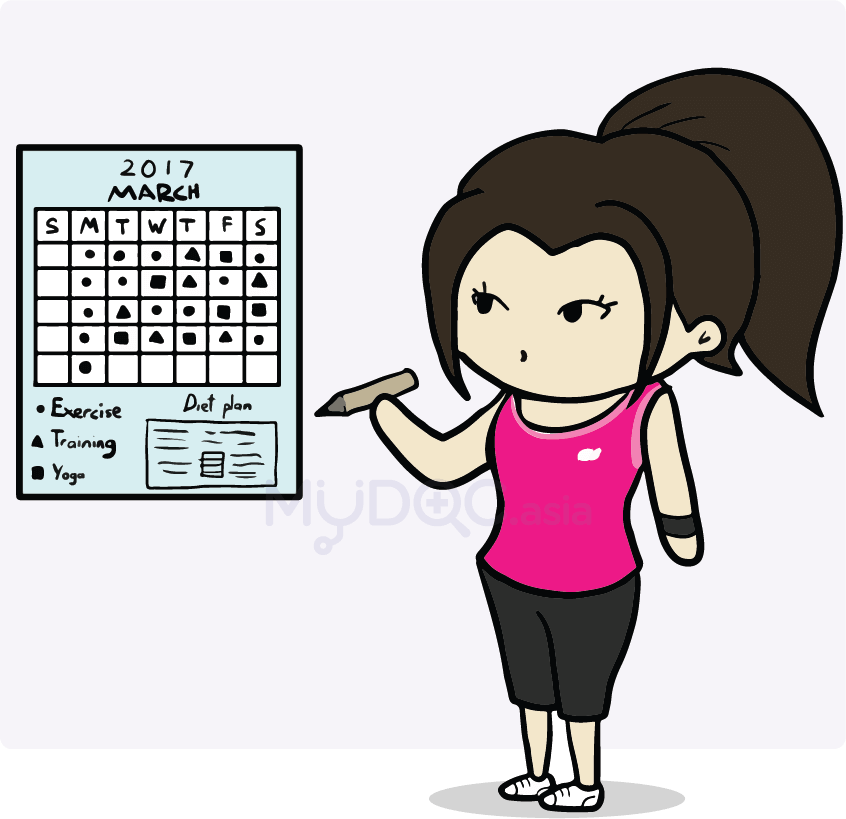
There are several different guidelines around as to how much we actually need to exercise to maintain a healthy physique. The general guideline provided by health practitioners is to exercise (usually jogging) 3 days per week, with an accumulated 10km in distance, at the speed of approximately 10km/h. More specifically, we should exercise for 150 minutes per week if we practise moderate intensity exercises, or 75 minutes per week if we practise intense exercises.

It is also not advisable to have heavy exercise routines on consecutive days, especially when you feel pain or sores on your muscles. An important key to remember in planning your exercises is that minimal exercise gives you only minimal results, but maximal efforts don’t necessarily bring maximum results as well. Analogically, we could treat exercise like a pill. While it does offer a remedy to our needs, an overdose of pills can turn out to be harmful. In other words, we should always be in control of our exercise routines, rather than clamping ourselves onto unachievable routine managements.
The more, the better?

Even though generally the benefits of exercise outweigh the risks, we do have to consider how high of a risk we are willing to take. The higher the intensity of exercise, the benefits are potentially higher, but also with higher risks.
According to studies, it has been found that there is actually an ‘unseen limit’ onto how much exercise can benefit us before triggering potential adverse effects. After reaching a certain metabolic level (which is different for every individual), there is no further rise in benefits, and this is when the potential harm of over-exercising comes in. Cardiac deaths are rare, but they do occur regularly without decreasing in rate of occurrences. Usually caused by accumulated hard and soft coronary plaque, cardiac deaths are also linked to coronary heart diseases.
Some of the other risks of over-exercising include cardiac arrhythmias (irregular heartbeat), premature aging of heart, accelerated coronary plaque formation, myocardial fibrosis (abnormal thickening of heart valves), and plaque rupture with acute coronary thrombosis (or heart attack).
Our muscles and tendons take time to adapt to our exercise routine, especially when we’re introducing our bodies to something new. The limits of how much our bodies can adapt to vary from one individual to another. Therefore, we should always adjust our exercises according to our own capabilities.
Signs you are exercising too much

So, are you exercising too much? Here are 5 signs (Schlinger, 2016) that you may be over-exercising:
- An ever-increasing time spent on exercising
You keep increasing the time of your exercise sessions on a daily basis because you stop seeing immediate effects of your routines. - A high heart-rate even when you’re not exercising
It is normal to have an increased heartbeat rate while exercising, especially doing ones with high intensity. However, if you experience high heartbeat rates even during your sedentary hours, you may be over-exerting yourself, causing an adaptation problem for your heart. - Constant feeling of pain and sore
In some cases, people who over-exert themselves actually think that it is normal to have pain and sores every day after exercising. While it is only natural to have a aches after workouts, daily occurrences can be a signal for your body that it is getting exhausted. - Waking up in the morning feeling burnt out
Do you wake up as a zombie every morning after your exercises? Exercises are supposed to build you up, not bring you down. If you find yourself dragging yourself around all day, you may be overdoing your workouts! - Dreading exercise routines
A lot of us dread doing exercises because – admit it – we’re just too lazy to do so. However, sometimes it is not the case (especially if you are used to exercise regularly). You may dread going for an exercise routine because of the after-effects it has on your body. In other words, over-exercising has taken its toll on your mental strength.
Other causes of exercise risks
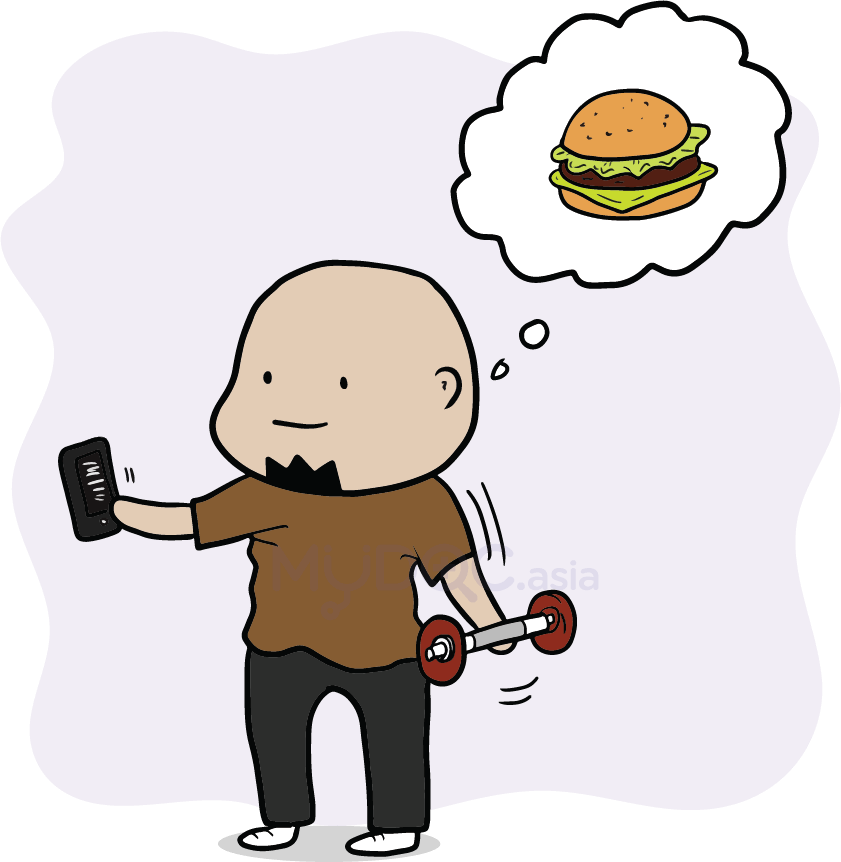
Some ill-advised practices during exercises can also bring similar risks to our health, even if we’re not over-exercising. Things like lifestyle, diet, and setting can affect our exercises.
For example, combining an unhealthy diet with vigorous exercises not only reduces the efficiency and effectiveness of exercise, but also increases exercise-induced health risks. An emerging habit these days is the use of smartphones or gadgets during exercises like jogging or gym workouts. This habit causes distraction and reduces the efficiency of exercises, leading to longer times spent on exercises, thus increasing the risks of over-exercising, physically and mentally.
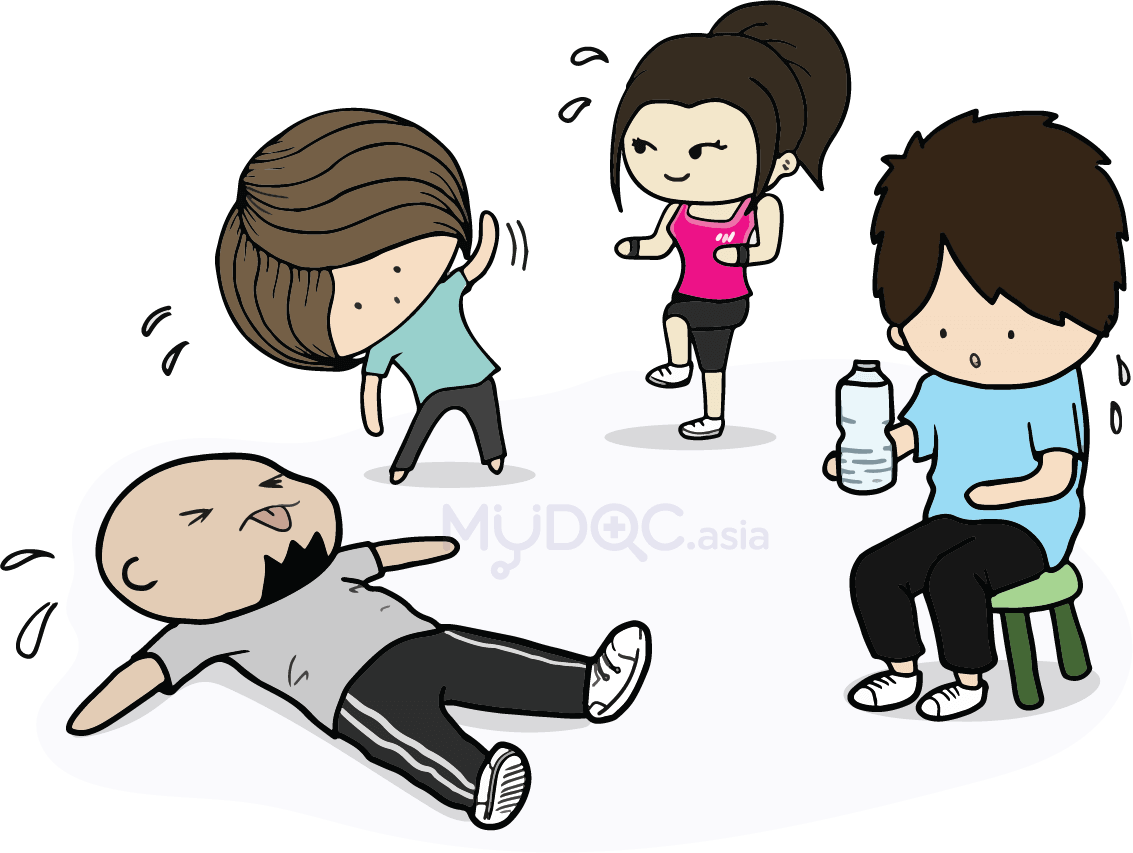
All in all, we should customise our exercise routines based on our capabilities and abilities. You can adjust your routines accordingly based on your age, aims, lifestyle, and diet – and feel free to change your routines from time to time! And don’t forget, when you’re tired, take a break – you’ll come back stronger!
If you're interested in exercising, you should also check out our secrets to exercising here: I’m Exercising, But Why Am I Not Losing Weight?
 Juliet’s Reminder: Some other important points to be aware of is to not exercise with a full stomach, and also remember to warm up your body before exercising to avoid injuries. Let’s keep fit together! Do you have any stories to share or questions to ask? Just leave a message for Juliet at [email protected]!





Example Discussion