
Lisa recently decided to get her teeth aligned. We had been discussing about which type of dental alignment tool she should engage with.
“Braces, retainers, invisible aligners… How do I know which do I need?” Lisa has always been worrisome. I remember how she did so much research on insisting in getting the right milk for Lemon after she was born.
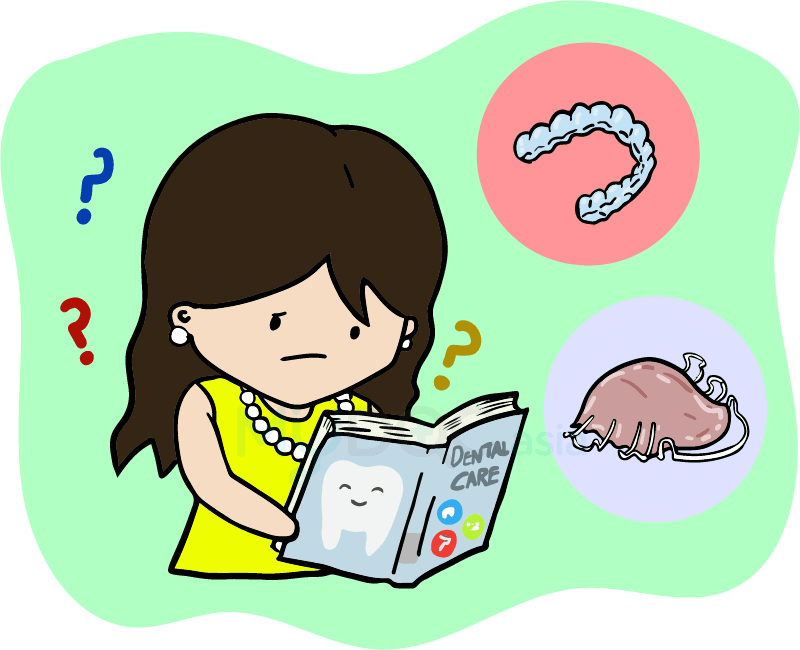
Well, Lisa, fortunately you have a doctor as your brother! Romeo had since then been going through the options of dental aligners with his sister.
For starters, we do need to answer the basic question:
1. Do I Need Braces?
Have you heard of the term malocclusion?
This is the abnormal arrangement or positions of teeth, jaws, and facial bones or muscles. According to statistics, about ⅓ of 12 year old children have malocclusions with varying severity. Therefore, if your teeth don’t look like what you see in toothpaste commercials, don’t worry - it’s perfectly normal and common! Malocclusion is usually treated with braces, and requires frequent appointments to the dental clinic, usually over a period of 2 years or so.
A short biology recap (Romeo insisted!):
Dental development begins at around 4 weeks of gestation (when the baby is in the mother’s womb). Teeth continues to grow and develop over the years. Children have an average of 20 baby teeth, and adults at the age of 25 years old should have 32 teeth.
There are, however, conditions that can affect dental appearances. In other words, having a perfect 32 teeth aligning neatly side by side isn’t something we should expect everyone to have!
2. Conditions that affect dental appearance
(a) Congenital and developmental conditions
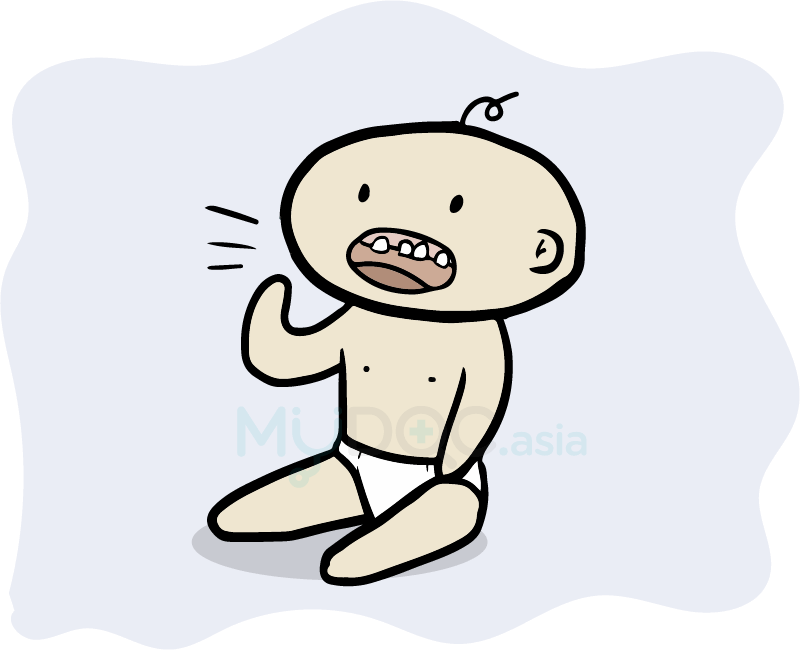
This includes cleft lips and developmental defects in the enamel (the outer layer of the tooth). In some cases, the position of teeth and the position of supporting bones in the jaw can cause a baby to have too few teeth (hypodontia), too many teeth (hyperdontia, also known as teeth crowding), or malocclusion (where the top and bottom teeth may not come together properly). If you’re interested to know more about cleft lip, you can read my friend's post here - an amazing story of being born with a cleft lip.
(b) Environmental conditions
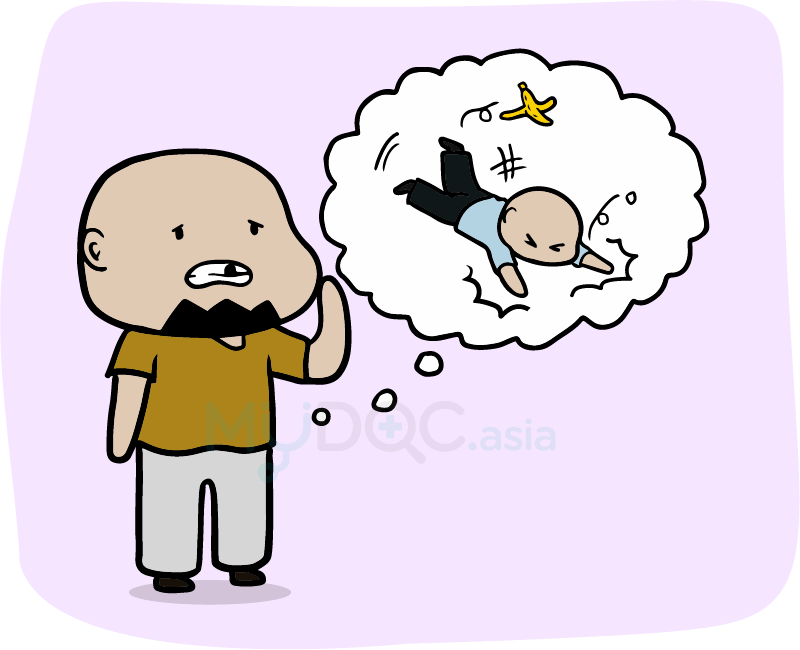
This is where non-congenital instances cause a defect in dental appearances, with the most common cause being cavities, especially among children. Cavities can be caused by excessive sugar intake (so watch your children’s sweet tooth!), bad oral hygiene (brush - scrape (tongue) - floss (for adults) - rinse, there’s no escaping that!), and tooth loss.
Dental trauma or injury also causes various appearance defects like tooth loss or gum injury. According to research, up to 50% of us have had at least one dental trauma or injury by the time we leave education!
Romeo carried on with going through the options available for dental aligners.
3. What are Braces?

The most popular solution for malocclusion, braces work by placing gentle pressure on our teeth. Over time, braces move our teeth into proper positions, producing a neater teeth alignment for a desirable oral appearance.
Going into the mechanics, braces are made up of brackets. These brackets are attached to each tooth, and are connected by archwires*. These wires are bent gently to move our teeth. As the wire tries to return to its original shape, it pushes or pulls our teeth against our present bones and skeletal muscles at the same time. Throughout the process, new bones form according to the shape set by the archwires and brackets of the braces.
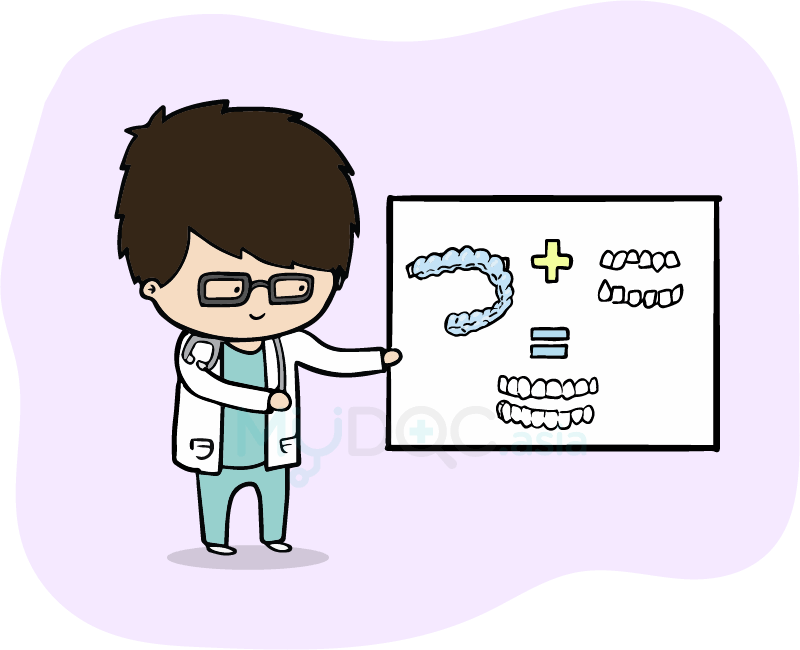
Braces come in the form of metal or ceramic. Metal is stronger in holding, but ceramic braces usually look fancier or have the same colour as your teeth - a good choice if you like your braces subtle!
There is also the lingual braces. These are known as ‘invisible’ braces because they are mounted behind the teeth, away from the sight of our front teeth. However, they are also usually the costliest. See which braces the dental clinic near you offers!
*What are archwires?
Archwires connect the brackets on our teeth to form braces. During the early stages, round archwires are used to level and align the teeth. They are the main movers of our teeth. During the later stages, rectangular archwires are used to control and refine tooth movement, while still moving our teeth into proper positions.
4. What about Dental Aligners?

Aligners are clear and thin plastic-like trays that fit on our teeth. They are usually not permanent and can be put in and removed by the user. Usually, aligners should be put on all the time except for when having meals or when practising oral hygiene like brushing or flossing. Aligners are also encouraged to be changed every 2 to 3 weeks for hygiene purposes.
According to some, aligners can’t necessarily cure overbite or underbite problems, but is used more for minor shaping of teeth due to its lack of tightness compared to braces. It is certainly best if you’d consult a dentist to get a recommendation before making a choice!
5. And Dental Elastics?
In some cases, dental elastics are used to apply extra connective force to the teeth. These can be placed and removed at anytime throughout the braces treatment period. ONLY use dental elastics as prescribed by an orthodontist, your dentist knows what’s best for you!
6. Do I Need a Dental Headgear?
The dental headgear is a removable appliance worn over the head to apply force on both the face and the jaw. This is an effective tool in preventing the teeth from moving and inhibiting the growth of our jaw. One benefit of the dental headgear is that we can measure the amount of force we want to apply on our teeth. Again, this should only be used as prescribed by an orthodontist!
7. And finally, Retainers?
“Also, after an orthodontic treatment of months or years, be it with braces or aligners, you’d need to continue the home treatment procedure with retainers, Lisa,” continues Romeo.
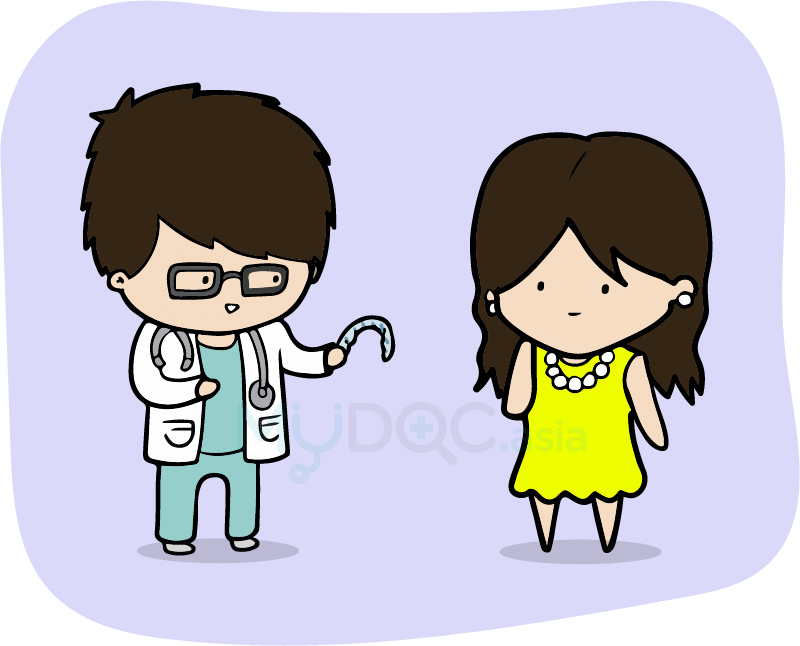
After removing our braces or aligners, our teeth position and shapes may be unstable. That is, they have the tendency to return to their original positions prior to your braces treatments! The tendency of your teeth position returning to their pretreatment positions also depends on the holding effect carried out throughout the treatment period. So the better care you take of your teeth throughout the months, the better the holding effect come the time you finally take them off!
Wearing retainers after the removal of braces or aligners can be divided into two phases: the retention phase and the post-retention phase.
Retention phase:
- The period where your periodontium (muscles that surrounds and supports the teeth) remodels and reshapes after experiencing skeletal and dental changes.
- Lasts for at least 1 year after orthodontic treatment is complete
- Use of retainers during this period is highly advisable
Post-retention phase:
- The remainder of the patient’s life
- Retainers may be needed to wear less frequently, like only during the night or on alternate days
So, what do retainers do?
- Retainers avoid teeth from moving back to their original positions after braces or aligners are removed
- They prevent movement of teeth until the growth of our gums and skeletal muscles are reorganised following the changes
- The frequency of wearing retainers and the length of time needed to keep them on vary, we usually need to wear them for full time for about 6 months, and then only during the night time after that
- The two most common types of retainers are Hawley retainers and Vacuum formed retainers
Hawley retainers
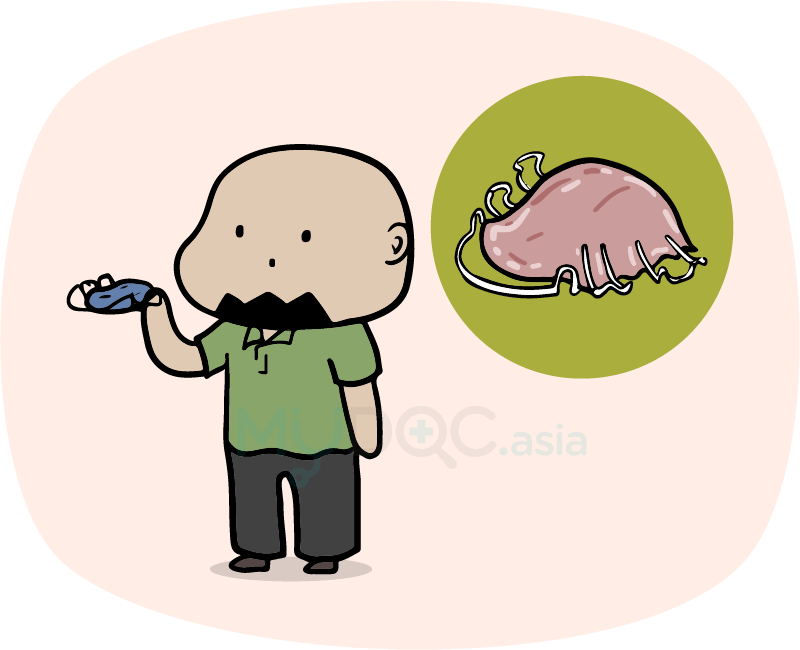
Designed by Charles Hawley in 1919, this is the most popular retainer used after orthodontic treatments. Hawley retainers are simple-looking metal wire retainers that can hold the position of teeth to prevent them from moving back into their original positions.
Vacuum formed retainers (VFR)
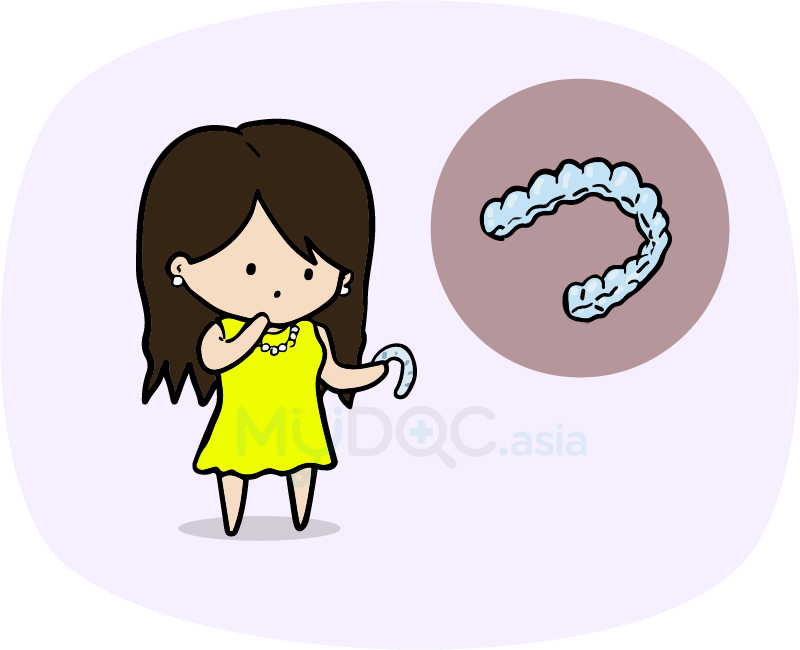
VFRs were designed in the year 1971 as a more flexible option for retainers. VFRs are plastic-like retainers which are usually transparent. These retainers go on your teeth like a cap and is less visible - a nice choice if you’re tired of your metal-looking teeth!
Hawley retainer vs. VFR
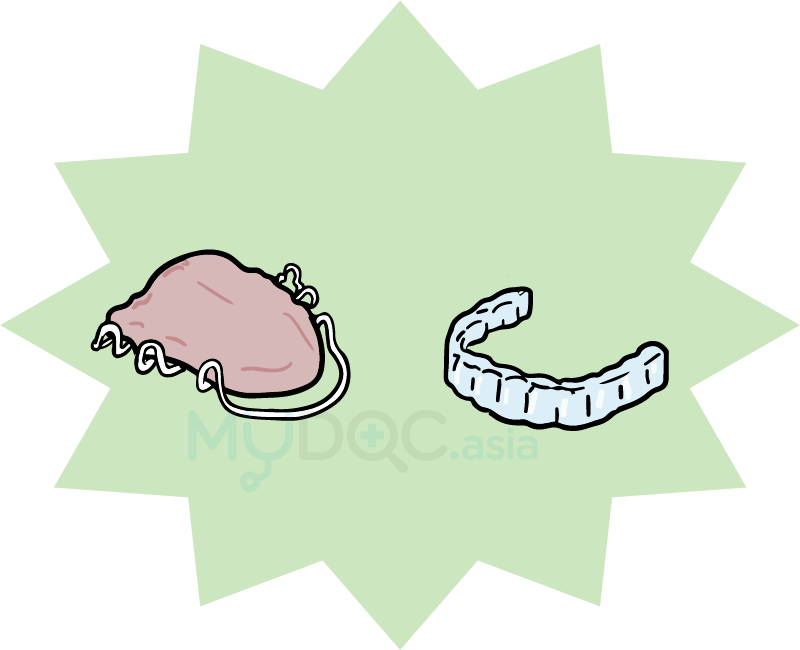
Hawley retainers are:
- Easy to clean and maintain
- Preferred to be used after 2 years of VFR
- May cause speech articulation problems but decreases over time
- Visible aesthetically
VFRs:
- Require time for maintenance and cleaning
- Preferred to be used initially after removal of braces
- Don’t impair speech
- Almost invisible aesthetically due to transparency
REMINDER: Retainers are prone to collecting plaque and bacteria. Patients who wear fixed retainers have been found to have higher risks of gingival recession (receding gums) and plaque retention. So clean and maintain your retainers diligently!
8. How much do dental braces affect my lifestyle?
According to surveys, it only takes a few days for people with braces to get used to the new look. Besides, most of us with braces have been found to be most concerned of not being able to eat food that get stuck on our braces and teeth (like popcorn and candy), rather than the aesthetic effect on our appearances!
“Well, that’s not bad. I’d like to avoid sweet stuff anyway. Besides, I think I’d look cute with metal brackets on my teeth!” Lisa was getting excited.
In that case, check out which dental clinic is near you, and drop an enquiry for your dental needs. At ERUFU Care, we believe in building effective communicative relationships between you and healthcare professionals. We can help you find your preferred clinic, send your enquiries, make an appointment, and more – all to make sure you get the right care you need! You can also find genuine clinic reviews from patients who’ve been to the clinic - we take initiatives to contact with you personally to ensure that you have a pleasant healthcare journey - so find a dental clinic today!
 Juliet’s Reminder: Did you know that having straighter teeth can reduce cavities? With a neater and organised teeth layout, there is less room for bacteria to deposit and reproduce! Dental braces or not, it is always important to have your oral health checked by a dental professional from time to time.







Example Discussion