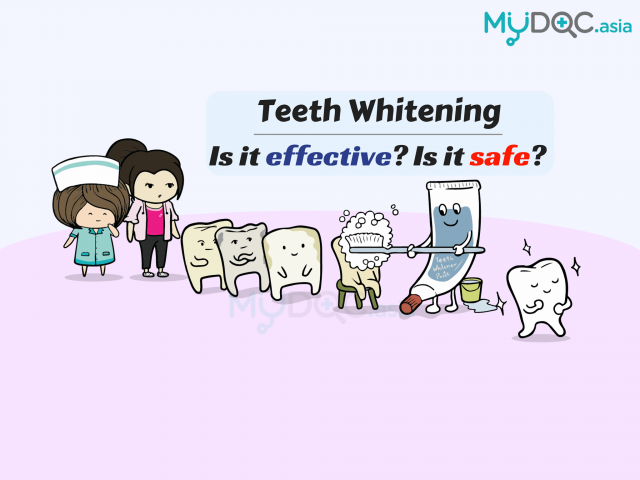
So I’ve decided to try out a teeth whitening procedure after the new SMILE initiative for employees at my workplace. Using the excuse of a collectivistic society to cover up my insecurities, I decided to drag Shalini along.
“Are you sure it’s safe? You do know that I have sensitive teeth!” said Shalini.
Ah, yes. I remember how Shalini always struggles when we’re having such good times enjoying our ice-cold gelatos.

So to start with, is it safe for Shalini to undergo a teeth whitening treatment? People with gum disease, overly sensitive teeth, or have dental crowns in place are not encouraged to engage in teeth whitening treatments. Treatments also don’t work on dentures, crowns, fillings or veneers*.
*Dentures: These can be either full or partial. Partial dentures are used to replace a few missing teeth in a row, whereas full dentures are what we usually call a ‘set of false teeth’.
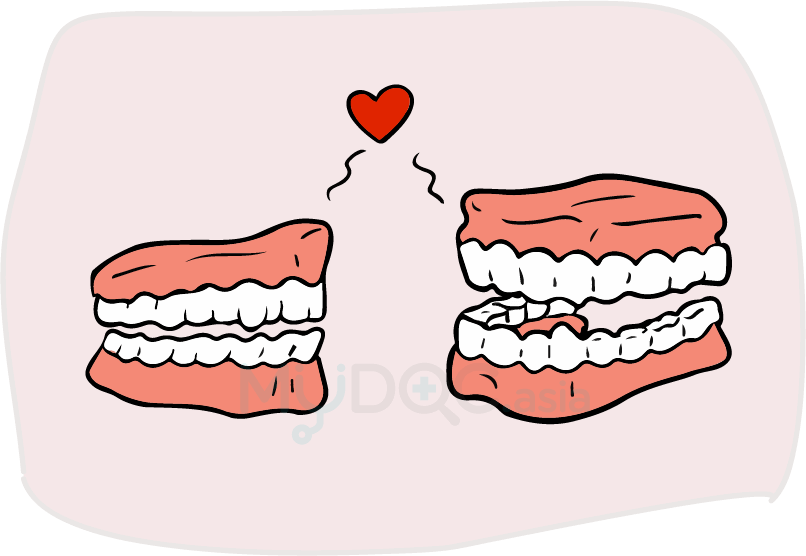
Crowns: Specifically dental crowns, these are like ‘caps’ for your tooth, used for shaping, strengthening, and appearance improvement purposes.
Fillings: Ingredients for dental fillings can range from gold, porcelain, to composite resin (similar to plastic) or the recently controversial silver amalgam. These are used to fill in the spaces left by cavity on the tooth.
Veneers: Dental veneers are thin layers that look like shells, used to cover the surface of teeth to improve their appearance.

Now you know that you are eligible for a teeth whitening treatment. The next question would be:
How effective is it?
To answer this, we need to first explore the reasons behind teeth discolouration, as teeth whitening effects can be dependent on the different causes of discolouration in the first place.
The common causes of discolouration are stains from tea, coffee, red wine, or blackcurrant. These ingredients contain intense colour pigments like chromogens, which can bring dye-like effects on the teeth. Long-term consumption of foods with these ingredients can cause yellowish or brownish stains on our teeth.

Smoking is another common cause of teeth discolouration, particularly due to the dark-coloured nature of tar in cigarettes which can cause brownish stains on teeth. Even though nicotine in cigarettes are generally colourless in plain sight, it turns yellowish upon contact with oxygen in our mouths – causing unwanted stains on our teeth!
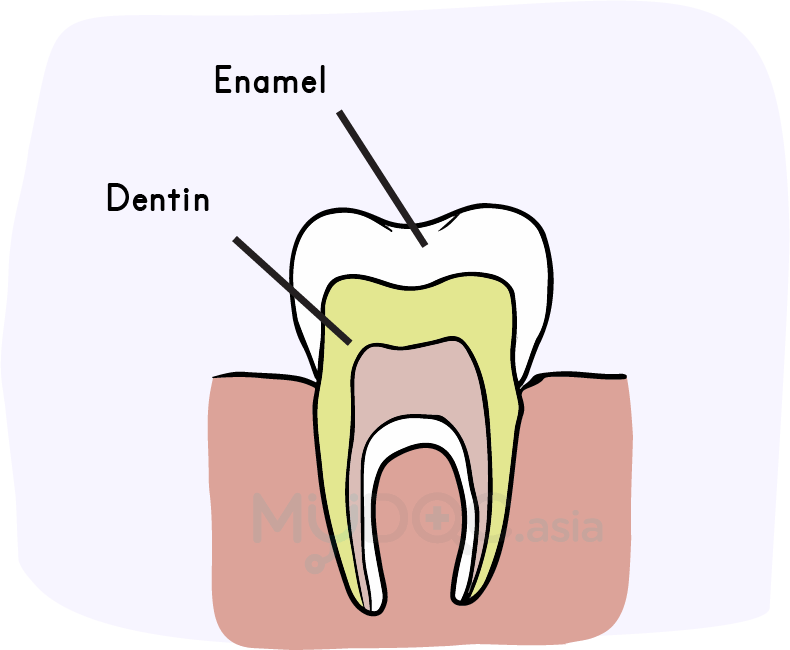
Do you grind your teeth at night while sleeping? Teeth grinding causes erosion on the enamel* of our teeth. This means that the white, outer layer of our teeth becomes thinner and thinner, exposing the yellow, inner layer of our teeth called the dentin. Acidic foods and fruits like orange or citrus can also cause erosion on the outer layers of our teeth if taken too much in the long term!
*The enamel is the outer layer of our teeth, usually white in colour. Over time, the enamel gradually wears off with age, exposing the inner structure of our teeth, called the dentin. Dentins are usually more yellowish, thus producing a less desirable appearance.
What does this mean?
Teeth whitening is most effective in turning yellowish teeth into white appearance. Brownish coloured surfaces, especially those of the darker nature, may not experience as clear and immediate an effect compared to yellowish surfaces. Generally, teeth whitening doesn’t have a positive impact on teeth that are dark grey or purple-stained.
The effect of treatment is also not visible if the discolouration of teeth is caused by medications side effects (some antibiotics and chemotherapy are known to cause mild discolouration of teeth).
Besides the cause, the effectiveness of teeth whitening also depends on the method used. Different teeth whitening procedures produce different results for everyone. There are several options available to teeth whitening – laser whitening, tray-based whitening, and home-whitening kits, among others – more on this here. Remember, most of the procedures requires a visit to the dental clinic!
How Safe is it?
“Okay, I’m half-sold. But you need to convince me that it’s safe! Are there any side effects?” asked Shalini, meticulous as ever.

Teeth whitening is not recommended for children below the age of 16. This is because children’s teeth are still at the growing stage up to this age. With the tooth nerve still growing, any whitening effect (including whitening toothpaste!) can lead to the development of sensitive teeth. Pregnant or lactating mothers are also not encouraged to undergo teeth whitening treatment because some calcium swallowed during the procedure may reach the infant and cause unwanted harm to the baby’s health. There are also some other conditions in which teeth whitening is not recommended. I’ll illustrate them below:

- Overly sensitive teeth and gums
- may react negatively to teeth whitening ingredients - Allergy to peroxide
- can cause inflammation - Gum disease
- People with excessively worn enamel or exposed root canals
- teeth whitening works on enamel, not dentin - Dental restorative materials (fillings, crowns etc.)
- can cause uneven cracks and whitening effect
After the teeth whitening procedure, it is indeed possible for some side effects like sensitive teeth or white patches around the gums. This happens when peroxide (the ingredient in the bleaching agent of teeth whiteners) gets through the enamel to the dentin and irritates the nerve. However, these side effects are usually temporary. If you experience prolonged effects or uncommon abnormalities, do consult with your dental practitioner! Besides that, home-whitening kits which include mouth guards may not fit properly with our mouths shape, and bleaching gels coming upon contact with our gums or lips can cause temporary ulcers or blisters.
And there’s the last question:
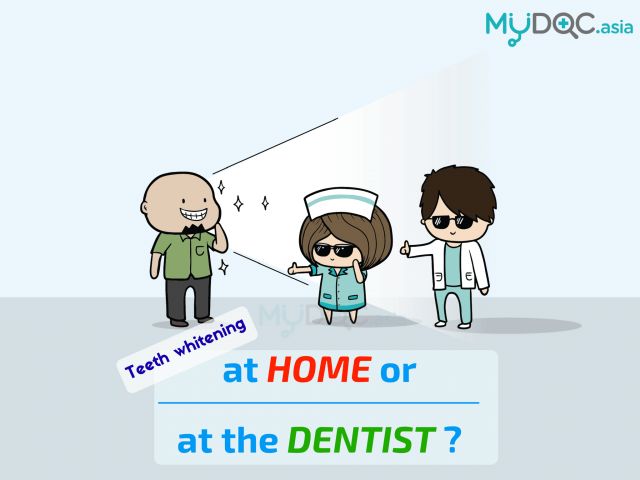
Where to do teeth whitening?
DO NOT do a teeth whitening treatment or procedure in beauty salons or any other centres other than certified dental clinics. Teeth whitening treatments without dental certifications are illegal! If you’re buying home-whitening kits, you should also check if they are dental registered under the official dental association, usually the American Dental Association (ADA). It is also recommended to not undergo teeth whitening procedures more than once a year.

Look for a certified dental clinic near you at ERUFU Care, where we keep the connection alive between you and doctors in our bid to ensure you get quality healthcare.
Alright, Shalini. Are we good to go?
“Just a moment, I forgot my purse!”

At ERUFU Care, we believe in building effective communicative relationships between you and healthcare professionals. We can help you find your preferred clinic, send your enquiries, make an appointment, and more – all to make sure you get the right care you need! You can also find genuine clinic reviews from patients who’ve been to the clinic - we take initiatives to contact with you personally to ensure that you have a pleasant healthcare journey - so find a dental clinic today!
 Juliet's Reminder: The main ingredients used in teeth whitening procedures, carbamide peroxide and hydrogen peroxide, have be found to be safe and effective. However, before beginning a teeth whitening treatment, it is important to always conduct a dental check-up first!




Example Discussion